 puzzlerzone
What picklechess is
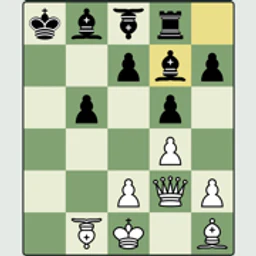
Picklechess is a free-to-play chess variant with a drafting twist. The goal remains the same as standard chess—checkmate the opponent's king—but you assemble your pieces during a setup phase before any moves are made.
How to play
White picks pieces first and moves first. You build your side within a budget of 14 to 22 points, placing pawns in the front row and other pieces in the back row. You may select multiple copies of any piece except the king, provided your budget allows. Pawns cannot advance two squares on their first move, and they promote only to piece types you purchased during setup. If black's setup ends with the king in check, black loses immediately. You can play against a bot (strength from Beginner to Master), a friend, or via matchmaking. Four piece sets are available—Classic, Extended, Chaos, and Complete—along with three time controls: Blitz, Rapid, and Classical. Leaderboards track Challenge Points, Medals, and Ratings, and the game records your history and completion progress. You can play as a guest or sync your account, and the app is installable. Picklechess is an independent project by Alex. The daily challenge asks you to checkmate with the fewest moves possible, in a session designed for about five minutes. Draws occur by threefold repetition or the fifty-move rule, and castling moves the king two squares toward the rook.
Tips
- Since pawns only promote to pieces you actually purchased, reserve budget for at least one strong piece type you'd want in the endgame.
- White picks first, so early choices can pressure black's setup—consider how your draft shapes the opponent's options.
- If you're playing black, ensure your setup doesn't leave the king in check, or you lose immediately.
Common questions
What happens if black's setup ends with the king in check?
Black loses immediately before any moves are played.
Can I pick multiple copies of the same piece?
Yes, you can pick multiple copies of any piece except the king, as long as your budget allows.
What causes a draw in picklechess?
Draws occur by threefold repetition or the fifty-move rule.